Spring Melt, Real Risks: What Homeowners Forget About Water Damage
February 26, 2026
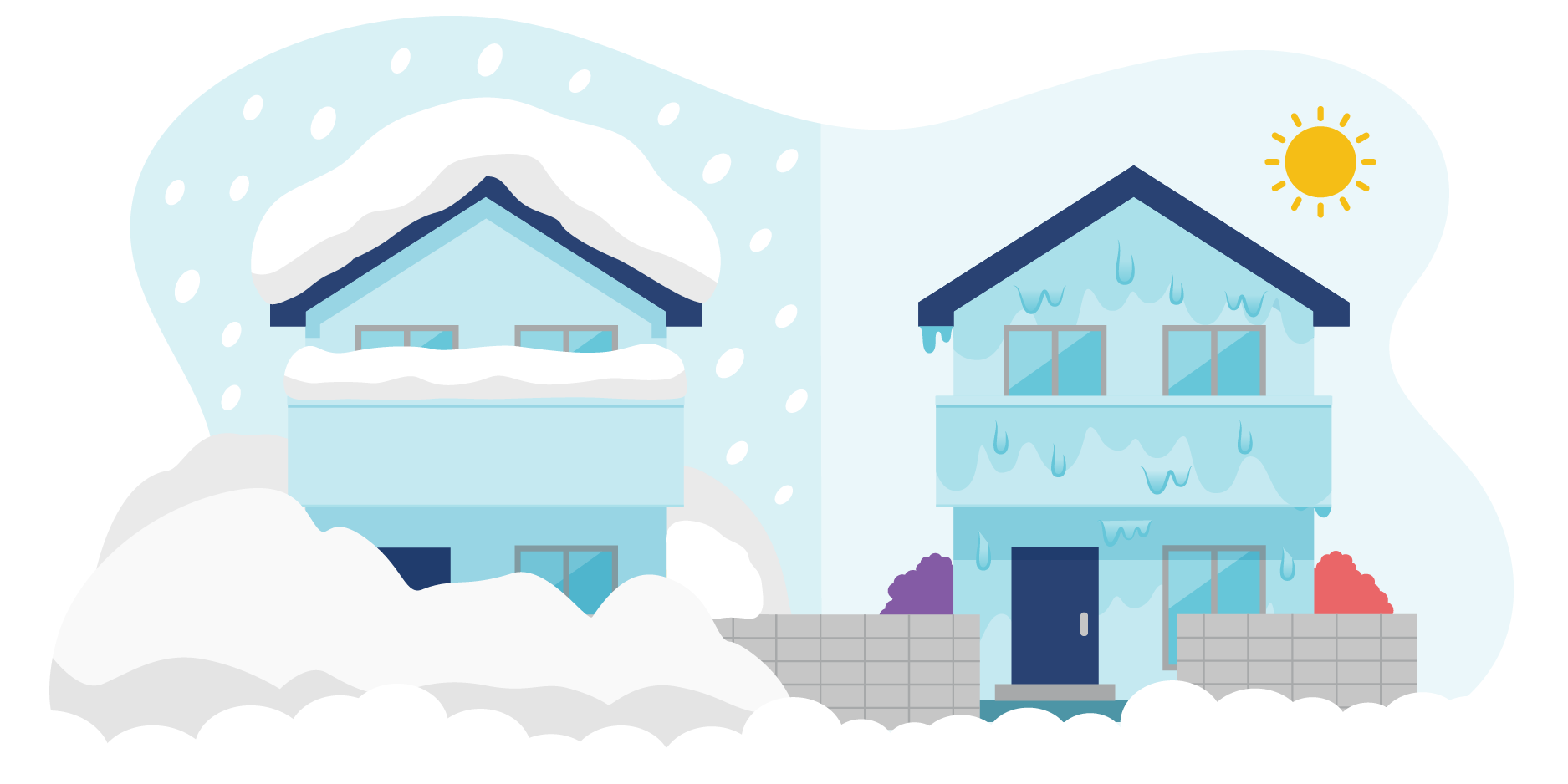
Spring brings sunshine, blooming flowers, and…water damage? After months of snow and freezing temperatures, the thaw can feel like a welcome relief. But for homeowners, early spring is actually one of the most vulnerable times of the year for property damage.
Here’s why: all that melting snow and ice may be quietly creating serious water-related risks on your property—often going unnoticed until it’s too late. The good news? A few preventative measures now can save you significant stress and expense later.
Keep reading to discover our top tips to protect your home before the spring melt turns into a costly disaster.
Why the Spring Melt is Riskier Than You Think
1. Freeze-thaw cycles cause water damage.
When temperatures fluctuate above and below freezing, snow turns to water faster than the ground can absorb it, and ice can build up on roofs, creating perfect conditions for leaks.
This freeze-thaw cycle can lead to:
- Basement flooding and foundation seepage;
- Overloaded drainage systems;
- Ice dams and icicles along roof edges; and
- Water forced under shingles and into walls or ceilings.
The result? Water damage where you don’t want it—basements, ceilings, walls, and foundations. And above all, expensive repairs that many homeowners can’t easily afford.
2. Extreme weather events can be unpredictable.
Climate-related risks have intensified in recent years, with extreme weather events becoming more frequent and more severe across Canada. For example, the Insurance Bureau of Canada (IBC) reported insured losses of over $160 million during the late February 2025 melt in Ontario and Quebec alone—and a total of $2.4 billion in severe weather-related losses in 2025.
These increasingly unpredictable weather patterns make spring melt a particularly dangerous time for homeowners, with flooding, ice dams, and structural damage becoming more common.
3. Repair costs are rising.
The cost of construction, materials, and labour continues to increase year-over-year, due to inflation and supply chain pressures. This means that when water damage does occur, repairs are often far more expensive than homeowners expect.
Rebuilding a finished basement, replacing flooring, remediating mold, and repairing structural issues can easily reach tens of thousands of dollars—and because not all types of water damage are automatically covered under a standard Home Insurance policy, you might be stuck paying out of pocket if you have any gaps in coverage.
How to Reduce Your Risk This Spring
A few proactive steps can go a long way toward preventing water damage during the spring thaw. Tackling these early on—before temperatures swing and snow melts quickly—can help protect your home (and your wallet) from nasty surprises.
1. Manage drainage around your home.
Snow piled against your home melts slowly, saturating the soil right beside your foundation, increasing the chance of seepage or cracks. Always shovel snow away from your foundation and make sure any potential meltwater has a clear path to flow outward, not inward.
Clear gutters of any debris early in the season and extend downspouts at least six feet away from your foundation. Check the catch basins on your street and your yard drains for blockages that could cause melting snow to pool and back up towards your property.
RELATED: 12 Spring Home Maintenance Tips
2. Protect your roof and attic.
Watch for icicles or ice dams along the roofline, which can trap melting snow and force water under shingles and into ceilings or walls. If the buildup is significant, hire a professional to remove it safely. Proper attic insulation and ventilation also help regulate roof temperatures and prevent ice damming in the first place.
RELATED: 12 Things You Shouldn’t Ignore Before Buying a Home
3. Seal vulnerable entry points.
Inspect your foundation, windows, and doors for cracks or gaps where meltwater could potentially seep in. Sealing these small openings early can prevent bigger problems once the ground becomes saturated.
RELATED: 6 Common Home Insurance Claims—and How to Avoid Them
4. Test your sump pump.
Your sump pump is often your last line of defence against basement flooding, so it’s a good idea to make sure it’s working before you need it. Pour water into the pit to test activation, clear the discharge line, and consider a battery backup to protect against power outages during storms.
5. Review your insurance coverage.
Not all water damage is automatically covered under a standard Home Insurance policy and unfortunately, most people don’t realize until it’s too late. Talk to your broker about any potential gaps that could leave you exposed—especially if you live in a higher-risk area. Consider add-on coverages to make sure you’re fully protected, such as:
- Overland Water Coverage to protect your home from water entering at ground level due to lake or river overflow, rapid snowmelt, or heavy rainfall that overwhelms drainage systems.
- Sewer Backup Coverage to cover damage caused by clogged drains inside your home (such as sinks or toilets) or city sewer systems that back up into your basement. In many cases, this is the only way to protect your basement from water damage not caused by an internal plumbing failure like a burst pipe or hot water tank leak.
- Foundation Seepage Coverage to safeguard against gradual water seepage through foundation walls or basement floors due to saturated soil during heavy melt or rainfall.
RELATED: Filing a Home or Auto Insurance Claim? Here’s Why a Broker is Your Best Ally
Spring melt is inevitable, but spring water damage doesn’t have to be. A little preparation, early inspection, and the right insurance coverage can save you stress, time, and costly repairs down the road.
With PROLINK by your side, you can head into spring with confidence, not concern. We’ll assess your risks, walk you through your options, and make sure your policy truly fits your needs—because when the snow melts, peace of mind matters most. Backed by over 40 years of experience and a network of more than 30 insurance providers, we’ll navigate the market on your behalf to secure tailored coverage at the right value.
Connect with PROLINK today to learn more!
Related Posts:




PROLINK’s blog posts are general in nature. They do not take into account your personal objectives or financial situation and are not a substitute for professional advice. The specific terms of your policy will always apply. We bear no responsibility for the accuracy, legality, or timeliness of any external content.