The Hidden AI Trap: Why Faster Engineering Can Become Riskier Engineering
June 24, 2026
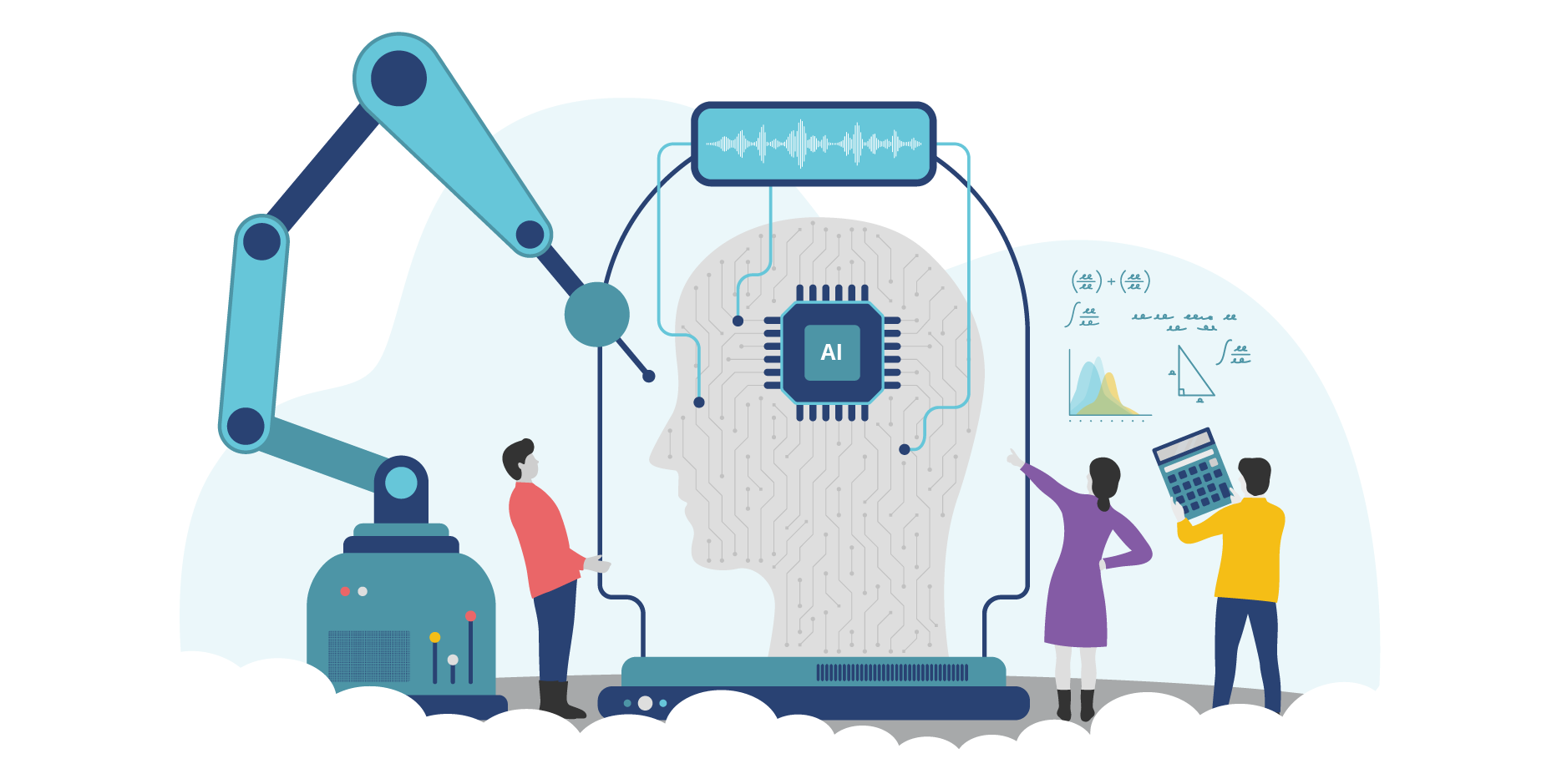
Artificial intelligence is rapidly reshaping the engineering and design-build industry. From proposal writing and design coordination to project documentation, calculations, meeting summaries, and draft reports, AI tools are helping firms move faster and work more efficiently than ever before.
But what began as a productivity enhancement tool is now becoming a meaningful source of professional liability exposure for firms.
The issue isn’t AI itself—it’s the growing reliance on AI-generated outputs without proper verification, oversight, and quality control processes in place. When professional judgment, documentation standards, and review protocols begin to weaken, faster engineering can quickly become riskier engineering. Keep reading to learn more about the risks associated with AI use in engineering, and the steps you can take to keep them under control.
Disclaimer: Please note the information provided herein offers guidelines only and is presented from a liability-based perspective to help you avoid insurance claims. It is not exhaustive and should not take the place of legal advice, nor will it apply to all businesses, settings, and circumstances. For specialized guidance, please consult a risk management professional, lawyer, or a licensed insurance representative.
The Emerging Risk Beneath AI Adoption
Engineering work is inherently tied to complex variables involving the built environment, property, public safety, and economic interests. As AI becomes increasingly integrated into engineering workflows, firms must recognize that the use of AI-assisted tools does not reduce an engineer’s professional responsibility for that work.
Professional Engineers Ontario defines engineering as work involving planning, evaluating, designing, directing, reporting, and supervising. Regardless of the technology used, engineers remain accountable for the accuracy, quality, and integrity of their professional services. In some cases, AI can actually make responsibility more difficult to trace, validate, and defend.
One of the most significant underlying concerns is the rise of “shadow AI”—the use of AI tools by employees within organizations without formal approval, oversight, or documentation. This may include:
- Uploading confidential drawings into public AI platforms such as ChatGPT or Claude;
- Using AI to summarize technical specifications; and
- Drafting reports or recommendations using AI-generated assumptions.
Individually, these moments may appear harmless. Over time, however, they can create significant exposures that impact a firm’s professional judgment, governance standards, and overall integrity.
RELATED: The Impact of AI on Engineering: Best Practices for Risk Management
How Does AI Risk Become a Real Liability Exposure?
The reality is that AI is already being used within many firms—whether formally approved or not. Ignoring that reality does not eliminate the risk. It simply removes an important opportunity to manage and defend against it effectively.
The consequences of unmanaged AI usage extend far beyond the possibility of receiving an incorrect answer from a chatbot. Within engineering firms, AI-related exposures can lead to professional liability claims, costly project rework, confidentiality breaches, contract disputes, regulatory scrutiny, insurance complications, reputational damage, and more.
AI now sits at the intersection of operational efficiency, cyber risk, professional liability, organizational reputation, and contractual compliance. Leadership shouldn’t be treating AI as “just another tool” without considering some key risks, including:
1. Erosion of Professional Judgement
AI can accelerate technical work, but it cannot replace professional expertise. AI systems often generate responses that appear highly confident, even when summaries, recommendations, or calculations are inaccurate or incomplete. If those outputs influence reports, design decisions, client communications, or project recommendations, firms may face allegations that they failed to properly validate their work.
Even when errors are caught before project completion, firms may still incur costs related to delays, redesigns, additional reviews, and strained client relationships.
RELATED: Why Engineers Might Get Sued and What You Can Do About It
2. Weakened Quality Assurance and Oversight
Engineering firms already operate under compressed timelines, tight margins, and increasingly complex project delivery requirements. AI appears to offer a solution by accelerating workflows and reducing administrative burdens. However, without clear governance and formalized policies, firms risk unintentionally weakening the review processes that help ensure work meets professional standards.
When AI is used in the creation of a project deliverable and a firm cannot clearly demonstrate how that work was reviewed and validated, defending a claim becomes significantly more difficult. Importantly, claimants don’t necessarily need to prove that AI directly caused a loss—they may only need to create doubt around whether the firm maintained appropriate quality assurance and professional oversight procedures.
RELATED: 3 Reasons Engineers Shouldn’t Forgo Professional Liability Insurance
3. Documentation Challenges
Professional liability claims are often won or lost based on documentation. That means undocumented, informal AI usage can weaken a firm’s ability to defend themselves during litigation or claims proceedings.
If AI-assisted work isn’t properly tracked or documented, firms may struggle to demonstrate how work was reviewed, what assumptions were made, what limitations were disclosed, and how professional decisions were ultimately reached.
RELATED: Document Like a Pro: Tips to Protect Your Career from Allegations
4. Confidentiality and Contractual Exposures
Engineering firms routinely handle sensitive project information, including infrastructure details, procurement documentation, financial data, technical drawings, and proprietary client information—and many client agreements contain strict provisions related to confidentiality and intellectual property.
Uploading this data into public AI platforms may inadvertently create serious privacy, contractual, and client trust issues.
RELATED: Moonlighting & Risk: What Engineers and Designers Need to Know
How Can I Turn AI Risk Awareness Into Risk Control?
As AI adoption continues to grow, engineering firms should treat AI governance as a core risk management priority rather than simply an IT or productivity initiative. The question isn’t simply whether AI makes mistakes—it’s whether firms can demonstrate they remained in control of their professional judgment throughout their processes.
The following practices can help firms leverage AI effectively while managing potential liability exposures:
1. Develop a Formal AI Usage Policy
The foundation of any AI risk management strategy is a clear, written policy that establishes expectations for how AI can and cannot be used within the organization. At a minimum, the policy should address:
- Approved AI tools and platforms
- Confidentiality and data handling requirements
- Employee responsibilities
- Documentation expectations
- Review and approval procedures
- Limitations on AI-generated outputs
Most importantly, the policy should reinforce that AI cannot replace professional engineering judgment, licensed oversight, or established review processes.
RELATED: All Aboard: Onboarding Risk Management for Engineers
2. Understand How AI Is Being Used
Many firms are already using AI in some capacity—often without formal oversight or visibility. Organizations should evaluate where AI is currently being used across the business, including:
- Proposal development
- Report drafting
- Meeting summaries
- Internal workflows
- Client communications
- Design coordination
- Technical calculations
Understanding where AI is being utilized helps firms identify potential risks, establish appropriate controls, and determine where additional oversight may be required.
3. Maintain Contractual Discipline
Client agreements should be reviewed carefully for intellectual property requirements, confidentiality obligations, and data handling restrictions.
Firms should ensure their contracts clearly reinforce that all deliverables remain subject to professional review and that the use of technology does not expand or alter the applicable standard of care.
4. Maintain Strong QA/QC Processes
AI-generated content should be subject to the same review standards as any other project deliverable.
Maintaining robust quality assurance and quality control procedures helps reduce errors, improve defensibility, and demonstrate adherence to professional standards. Ultimately, responsibility for the final work product remains with the firm—not the technology used to create it.
RELATED: Engineers: Why Meeting Building Codes Isn’t Always Enough
5. Work With a Specialized Broker
Each firm will experience the impact of AI differently, and the right risk management strategy for your needs will depend on a variety of factors—including your engineering specialty, operations, and the specific systems you’re working with.
That’s why partnering with a risk advisor who specializes in the engineering and design sector makes all the difference. As technology continues to reshape how firms operate, having a trusted guide by your side is the key to navigating change with confidence while protecting the people, projects, and reputation you’ve worked so hard to build.
Backed by over 40 years of experience, PROLINK can help you:
- Stay informed about emerging exposures, legislation, and innovations impacting your industry;
- Access comprehensive insurance solutions tailored to your firm’s goals and budget;
- Evaluate how changes to your operations may affect your risk profile;
- Identify coverage gaps and strengthen your overall risk management strategy; and
- Regularly review and adapt your insurance program as your business evolves.
RELATED: 3 Common Engineering Mistakes—and How You Can Avoid Them
AI is transforming the engineering landscape by enhancing design workflows, increasing efficiency, creating more space for creativity, and allowing firms to truly leverage the collective knowledge and experience of the entire firm.
Ultimately, AI isn’t something engineering firms should fear or avoid. When governed appropriately, it can create meaningful efficiencies and operational advantages. The firms that will be best positioned for long-term success will not necessarily be those adopting AI the fastest, but those implementing it most responsibly.
By understanding your risks with a dedicated partner by your side every step of the way, you can operate with confidence and stay ahead, no matter what new developments come your way. You can work to control your exposures—and your costs—long-term. You can focus on what’s most important: your business.
To learn more, connect with PROLINK today!
Related Posts:




PROLINK’s blog posts are general in nature. They do not take into account your personal objectives or financial situation and are not a substitute for professional advice. The specific terms of your policy will always apply. We bear no responsibility for the accuracy, legality, or timeliness of any external content.