5 Privacy Risks Every Industry Should Be Thinking About
July 28, 2026
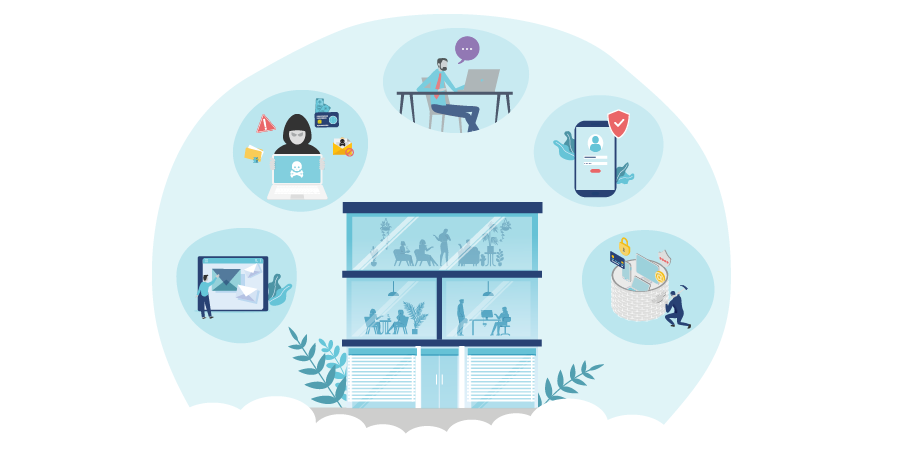
Whether you work in healthcare, law, real estate, finance, education, technology, or any other professional field, your business depends on digital systems. Client records, employee files, payment information, internal documents, and communications now live almost entirely online. While this makes work more efficient, it also creates new vulnerabilities.
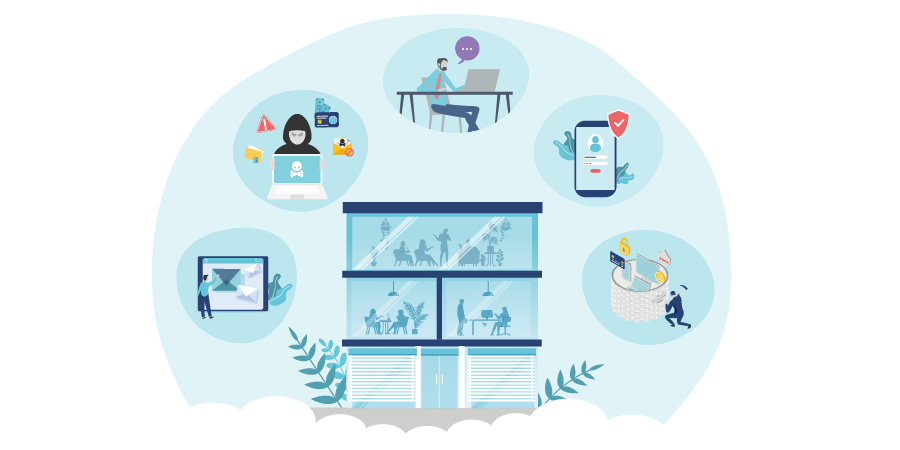
No matter the size of your organization, your industry, or how many employees you have, there are a handful of cyber risks that every business might face at some point. While each organization has its own unique exposures, these five core cyber risks are commonly encountered and are a useful foundation for developing a cybersecurity or risk management plan.
Disclaimer: Please note that the information provided herein offers guidelines only. It is not exhaustive and does not constitute legal, insurance, or cybersecurity advice. For more guidance, please consult a lawyer, a licensed insurance representative, and/or a cybersecurity specialist.
RELATED: Stay One Step Ahead: The Top Cybersecurity Mistakes Companies Make
1. Human Error
Human error remains one of the leading causes of data breaches. This includes clicking on phishing emails, sending sensitive files to the wrong person, using weak passwords, failing to install software updates, and more. It also includes falling for scams, such as fraudulent emails that trick employees into sending or rerouting payments, also known as funds transfer fraud. Even well-trained, highly competent professionals can make a simple mistake during a busy workday; and the use of artificial intelligence (AI) by criminals is making their scams even harder to detect.
One wrong click —or one convincing email— can give cybercriminals access to client records, financial data, or internal systems, or result in money being transferred directly into a fraudster’s account, often without anyone noticing until the damage has already been done.
PRO Tips:
- Provide regular security awareness training for staff. Ongoing training helps employees recognize phishing emails, suspicious links, and common scams before mistakes happen. Even a short refresher outlining the latest criminal methods a few times a year can significantly reduce risk.
- Use strong, unique passwords and enable multi-factor authentication. Passwords should be long, complex, and never reused across systems. Multi-factor authentication adds a second layer of protection, making it much harder for attackers to access accounts even if a password is compromised.
- Double-check email addresses before sending confidential information. A single mistyped email address can expose sensitive data to the wrong person. Encourage staff to pause and verify recipients when sending client or financial information.
- Keep your software and devices current. Software updates often include security patches that fix known vulnerabilities. Delaying updates leaves systems open to attacks that could otherwise be prevented.
2. Hacking
Hackers now target businesses of all sizes. They look for weaknesses in networks, outdated software, or unprotected remote access systems. Once inside, they can steal data, encrypt files through ransomware attacks, or lock you out of your systems.
Increasingly, cybercriminals are utilizing artificial intelligence to make their attacks faster, more convincing, and easier to scale. AI can help generate realistic phishing emails, automate parts of the hacking process, and identify vulnerabilities more quickly, allowing attackers to launch more sophisticated campaigns with less effort. Businesses should expect cyber threats to continue evolving as AI becomes more widely adopted by both attackers and defenders.
For professional organizations, a successful hack can mean exposure of client records, loss of intellectual property, or even a complete shutdown of operations.
PRO Tips:
- Use secure firewalls and antivirus software. These tools block malicious activity and detect threats before they can spread through your systems.
- Apply system and application updates promptly. Hackers often exploit outdated software. Keeping everything up to date helps close security gaps and protect sensitive data.
- Limit system access to only those who need it. Not every employee needs access to every system. Restricting access reduces the damage that can occur if an account is compromised.
- Back up data securely and frequently. Regular backups allow you to restore your systems if files are damaged or encrypted by ransomware, helping you avoid long-term disruption. Additionally, keeping copies of files off the network provides an extra layer of security if your network has been compromised.
3. Gaps in Security Practices
Even well-intentioned businesses can develop security gaps over time. As technology evolves and new threats emerge, outdated software, missed security updates, inconsistent policies, or unsupported systems can increase the risk of exposing sensitive information.
Under Canadian privacy laws such as PIPEDA and provincial legislation like PHIPA, PIPA AB & BC, and more, organizations are required to use appropriate safeguards to protect personal information. This includes keeping hardware and software up to date, applying security patches, and following privacy and security standards. When systems are outdated or poorly managed, sensitive client data can be exposed, even without a cybercriminal involved.
If personal or confidential information is compromised, organizations may face lawsuits, regulatory penalties (including fines of up to $100,000 under Canadian privacy laws) and serious loss of client trust, even if the breach was unintentional.
PRO Tips:
- Keep current with industry cybersecurity and privacy standards. These standards outline best practices for protecting data and help organizations meet their legal and professional obligations.
- Maintain clear policies for data protection. Documented policies ensure that everyone knows how data should be handled and what steps to take if something goes wrong.
- Keep technology supported and up-to-date. Regular updates help prevent breaches caused by outdated or unsupported technology.
- Review cyber risks regularly. Technology and threats change quickly. Regular reviews help ensure your security measures remain effective and compliant.
4. Snooping
Not all cyber incidents come from outside attackers. Sometimes, the risk comes from within. Snooping occurs when employees, contractors, or third parties access data they shouldn’t be viewing, whether out of curiosity, carelessness, or malicious intent.
PRO Tips:
- Set access controls so staff only see what they need. Limiting access based on job roles helps protect sensitive information and reduces the risk of misuse or accidental exposure.
- Monitor system activity and user permissions. Regularly reviewing who is accessing what data can help identify unusual behaviour before it becomes a serious issue.
- Establish clear data-handling and privacy policies. Written policies ensure everyone understands how information should be accessed, stored, and shared.
- Provide training on confidentiality and compliance. Employees need to understand their responsibilities when handling personal and confidential information, especially in regulated industries.
5. Physical Risks
When organizations consider cyber risk, they often focus solely on online threats, but physical security is equally important. Lost devices, paper records, and unsecured workspaces can be just as dangerous as a hacked network.
Theft can include the physical loss or mishandling of sensitive information, such as stolen laptops, lost USB drives, misplaced paper files, or documents that were not properly shredded or securely disposed of. When confidential client or business information falls into the wrong hands, it can lead to identity theft, fraud, privacy violations, and serious reputational damage—even if the loss was accidental.
PRO Tips:
- Secure laptops, mobile devices, and storage media. Use physical locks, secure storage, and device-tracking features to prevent or recover stolen equipment.
- Encrypt devices and sensitive files. Encryption ensures that even if a device or file is lost or stolen, the information inside cannot be accessed without proper credentials.
- Store paper records in locked, controlled areas. Physical files should be kept in secure cabinets or rooms to prevent unauthorized access.
- Ensure documents with sensitive information are properly shredded and disposed of according to your industry’s regulatory guidelines and best practices. Improperly discarded paperwork is a common source of data leaks. Use secure shredding and disposal methods for sensitive documents. If you have employees working from home, ensure they also securely shred and dispose of sensitive documents to maintain the same level of protection outside the office.
How Can You Protect Yourself?
No matter how careful you are, cyber risk can never be completely eliminated. Even the best security programs can’t stop every mistake, scam, or system failure, which is why every business needs to be prepared for the risks that matter most.
That’s where investing in Cyber Insurance becomes essential. Cyber Insurance can help cover things such as:
- The cost of responding to a cyber incident
- Legal and regulatory issues
- Notifying affected clients and protecting their identities
- Ransomware-related losses
- Lost income if your business is disrupted
- Claims related to privacy or data breaches
Most importantly, Cyber Insurance gives you immediate access to expert support when you need it most, helping you respond quickly, reduce the impact, and get back to work with confidence.
How Can We Help You?
Through PROLINK, businesses can access Cyber Insurance solutions backed by decades of risk management expertise. But more importantly, we take the time to understand your business, your goals, and where you’re headed. We’ll work with you to understand your priorities and find a policy that truly supports your long‑term growth.
Cyber Insurance isn’t just protection—it’s an investment in your business’s resilience and reputation. If you’d like to learn about Cyber Insurance tailored to your industry and your future plans, PROLINK is here to help.
Related Posts:


PROLINK’s blog posts are general in nature. They do not take into account your personal objectives or financial situation and are not a substitute for professional advice. The specific terms of your policy will always apply. We bear no responsibility for the accuracy, legality, or timeliness of any external content.