Why Similar Drivers Can Pay Very Different Auto Insurance Rates
June 30, 2026
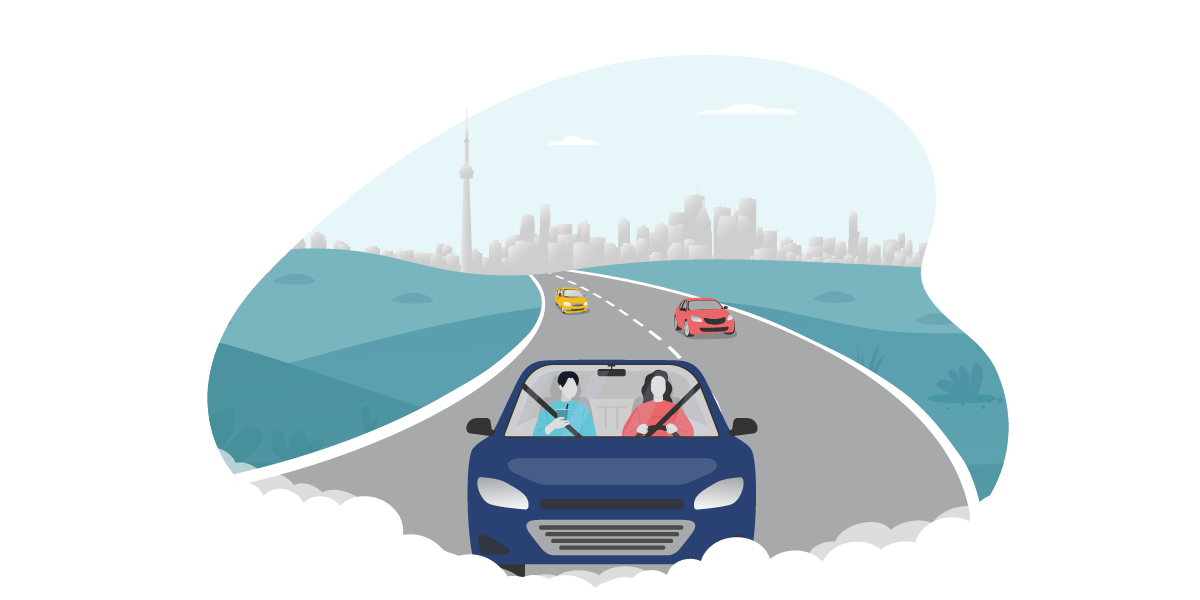
Most drivers assume Auto Insurance pricing is straightforward.
Drive safely, avoid accidents, and maintain a clean record, and your premiums should stay low. Right?
But here’s something many drivers don’t realize: two drivers with nearly identical records can sometimes receive very different quotes.
That means you could be doing everything right and still find that premiums vary more than you might expect. The reason? Auto Insurance isn’t based on one universal formula.
How do your driving habits affect your Auto Insurance?
Traffic convictions can signal a greater likelihood of future claims. Common violations that may affect your insurance include speeding, running red lights or stop signs, careless driving, following too closely, improper lane changes, or distracted driving offences.
1. Traffic Violations Can Be Viewed Differently
Traffic convictions can signal a greater likelihood of future claims, but not all convictions have the same impact on your insurance.
Minor convictions—such as speeding, failing to stop at a stop sign, or improper lane changes—can affect your premium through a surcharge or the loss of a conviction-free discount.
More serious convictions, such as careless driving or distracted driving, may have a much greater impact. Depending on the insurer, they can affect your eligibility for standard insurance companies or lead to significantly higher premiums.
While every insurer has its own way of assessing risk, the type and severity of a conviction play an important role in how your driving profile is evaluated.
RELATED: What Ontario’s New Stunt Driving Laws Mean for You | PROLINK
2. Telematics Can Influence Your Premium
Many insurers now offer usage-based insurance programs that use telematics technology to better understand driving behaviour. Depending on the program, insurers may track behaviours such as speeding, hard braking, rapid acceleration, sharp turns, when you drive, and how far you travel.
Aggressive driving habits can suggest a higher likelihood of future claims, while smoother driving may help demonstrate lower risk. For some drivers, demonstrating smooth and consistent driving may help them qualify for discounts or preferred rates.
RELATED: Usage-Based Insurance: Drive Smart, Pay Less | PROLINK
3. Annual Mileage Doesn’t Mean the Same Thing to Every Insurer
The more time you spend on the road, the more opportunities there are for accidents to occur.
That’s why insurers often ask questions about your annual mileage, daily commuting distance, work-related driving and vehicle usage.
Someone who drives 30,000 kilometres each year is exposed to more road-related risks than someone who drives 8,000 kilometres annually. However, mileage is only one piece of the puzzle. Some insurers place significant weight on annual distance travelled, while others may focus more heavily on different factors.
Many Canadians saw this firsthand when remote work became more common. Driving less often meant less exposure to risk and, depending on the insurer and policy, potentially lower premiums.
4. Accident History Plays an Important Role
When insurers review your history, they’re looking for evidence of future risk. At-fault accidents are one of the most significant factors insurers consider when assessing risk.
Previous claims can be interpreted differently across the market, particularly when multiple accidents occur over a relatively short period. Rather than focusing on a single event in isolation, some insurers consider the broader picture when evaluating risk.
RELATED: 9 Factors That Affect Your Auto Insurance Premiums | PROLINK
Can safe driving actually lower my insurance costs?
In many cases, yes. While there’s no guaranteed way to lower your insurance premiums, certain habits may help reduce risk over time.
- Drive Defensively: Stay alert, anticipate potential hazards, and maintain a safe following distance.
- Obey Traffic Laws: Speed limits, stop signs, and traffic signals exist for a reason. Following them helps reduce the likelihood of violations and accidents.
- Eliminate Distractions: Keep your focus on the road and avoid activities that take your attention away from driving.
- Maintain Your Vehicle: Properly functioning brakes, tires, lights, and other safety features can help prevent accidents.
- Consider Telematics Programs: If you’re a safe driver, a telematics program can help prove it. These programs monitor certain driving behaviours and may reward responsible habits with insurance discounts.
- Review Your Coverage Regularly: Life changes. Whether you’re driving less, commuting differently, or adding a new vehicle, reviewing your coverage can help ensure your policy reflects your current needs.
- Compare Quotes: Don’t assume your current policy is your only option. Exploring quotes from other insurers can help you better understand what’s available and whether your current coverage and pricing still make sense for your needs.
How else can you save on your premiums?
You can control how safely you drive. But you can’t control how every insurer interprets your driving profile. That’s why it’s worth comparing your options—another insurer may view your risk differently and may offer a more competitive rate.
It’s also one reason many drivers choose to work with an insurance broker like PROLINK. Rather than relying on a single insurer’s perspective, an insurance broker can compare options from multiple insurers to help identify coverage and pricing that aligns with your unique situation.
At PROLINK, we work for you—not the insurer.
With access to a wide network of insurers and over 40 years of experience helping Canadians navigate their insurance options, we understand the market, know how insurers evaluate risk, can help uncover discounts you may not be aware of, and do the legwork of comparing coverage and pricing on your behalf.
Whether you’re renewing your policy or looking for a better rate, we can help you understand what’s affecting your premium, explore opportunities to save, and find coverage that fits your unique needs and driving habits.
Understanding how your driving habits affect insurance is important. Understanding how insurers interpret those habits can be even more valuable.
The insurer you choose, the coverage you carry, and how your driving profile is evaluated can all impact what you pay. Because when it comes to Auto Insurance, a good driving record can take you far—but it helps to have someone in your corner when it’s time to compare the grades.
Connect with PROLINK today to review your coverage, compare your options, and make sure you’re getting the value you deserve.
Related Posts:


PROLINK’s blog posts are general in nature. They do not take into account your personal objectives or financial situation and are not a substitute for professional advice. The specific terms of your policy will always apply. We bear no responsibility for the accuracy, legality, or timeliness of any external content.