Before It Becomes a Claim: 6 Common Home Risks to Watch For
September 30, 2026
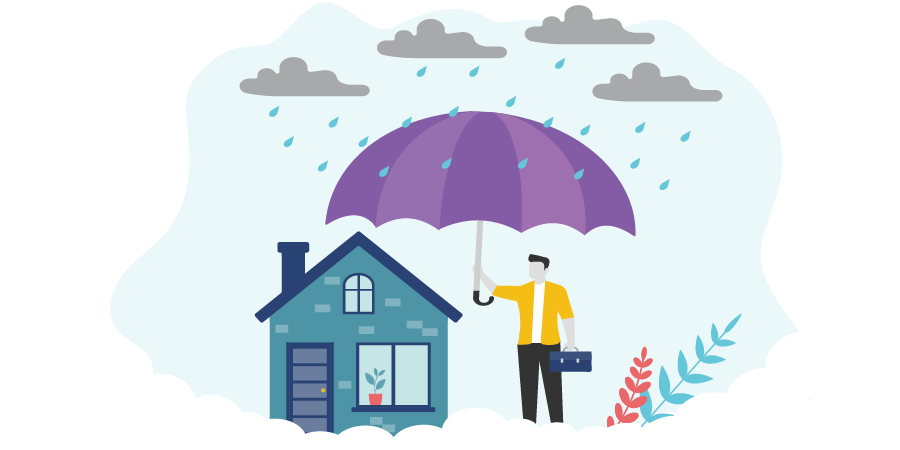
You file a claim, deal with the damage, make the repairs, and move on. Then your Home Insurance renewal arrives, and…your premium has spiked. What happened?
It’s easy to think of an insurance claim as a one-time event. But a claim can tell your insurance company about the risks associated with your home, which can affect how your insurance is priced or what options may be available to you in the future. Frequency, severity, circumstances, your claims history, and your provider’s approach to risk can all play a role.
While some claims are unavoidable, many of the risks behind common claims can be spotted and addressed before they become bigger problems. Understanding your coverage is just as important. Not every type of damage is covered under every policy, and some risks may require specific coverage or endorsements to ensure you’re fully protected. To help you stay ahead, here are six of the most common Home Insurance claims to keep on your radar and what you can do to reduce your risk.
1. Water Damage
Recent storms that affected thousands of Ontario residents are a reminder of how quickly water can become a problem. But water damage doesn’t only come from major storms. Burst pipes, plumbing leaks, and appliance failures are among the most common (and costly) insurance claims. Even a small leak can quickly lead to mold, structural damage, and expensive repairs throughout your home.
From an insurance perspective, recurring water damage can also be a concern, particularly when it’s linked to aging plumbing, poor maintenance, or repeated incidents.
What About Your Insurance?
Insurance generally covers damage caused by water, but not necessarily the underlying issue that allowed the water to enter. For example, your policy may cover damage to your flooring, drywall or belongings following an insured water event, while repairs to a pre-existing maintenance or structural issue may not be covered. Coverage also varies by policy, so make sure you understand how yours responds to different types of water damage.
PRO Tips:
- Annual plumbing checks: Scheduling yearly inspections helps identify worn pipes, loose hoses, and faulty shut-off valves before they fail.
- Install a leak detector: Smart leak sensors can alert you the moment moisture is detected, giving you time to act before damage spreads. Installing certain preventative devices may also qualify you for Home Insurance discounts.
- Insulate pipes: Proper insulation protects pipes from freezing and bursting, which is especially important during Canadian winters.
A little maintenance can go a long way when it comes to preventing water damage. And knowing how your policy responds to different types of water damage can be just as important as knowing how to prevent it.
RELATED: Spring Melt, Real Risks: What Homeowners Forget About Water Damage
2. Sewer Backup
Sewer backups occur when wastewater flows back through your home’s sewer or drainage system, potentially damaging floors, walls, furniture and personal belongings. Unlike a typical, visible leak, a backup can affect multiple areas of your home at once and may involve contaminated water requiring specialized cleanup.
What About Your Insurance?
Sewer backup coverage isn’t necessarily included in every Home Insurance policy. Depending on your policy and location, specific coverage may be required, and limits or exclusions can apply. It’s worth knowing whether you have sewer backup coverage and what protection it provides before you need to use it.
PRO Tips:
- Consider a backwater valve: A properly installed backwater valve can help prevent wastewater from flowing back into your home.
- Maintain your sump pump: Test your sump pump regularly and consider a backup power source if your home relies on one.
- Keep sewer lines clear: Avoid flushing wipes, paper towels, grease, and other materials that can contribute to blockages.
- Have your sewer line inspected: If your property has older plumbing or a history of backups, a professional inspection can help identify potential problems before they become a claim.
3. Weather & Roof Damage
Canada’s harsh weather can put your roof to the test. High winds, hail, heavy snow, ice buildup and freeze-thaw cycles can damage shingles and flashing, allowing water to enter your home. Small maintenance issues can become much bigger problems when severe weather hits.
What About Your Insurance?
Storms are unpreventable, so Home Insurance is designed to protect against sudden and unexpected losses, rather than routine wear and tear or deferred maintenance. An aging or poorly maintained roof can affect how an insurer assesses risk, the coverage available, or how a future loss is handled.
PRO Tips:
- Annual Roof Inspections: Scheduling yearly inspections helps you spot loose shingles, cracked flashing, or soft spots before they turn into leaks or structural issues.
- Check your grading: Proper grading helps direct water away from your home’s foundation.
- Trim trees: Keeping branches away from your roof reduces the risk of them snapping off during storms and causing damage.
- Improve ventilation: Proper airflow, especially in your attic, prevents ice dams and moisture buildup, both of which can weaken roofing materials over time.
- Clean gutters: Keeping gutters clear prevents water from pooling near the roofline and reduces the risk of leaks and ice dams.
RELATED: Winter Prep Checklist: 12 Home & Auto Maintenance Tips
4. Fire & Smoke Damage
Kitchen fires, electrical faults, and unattended candles are among the leading causes of home fire claims. Even small fires can spread quickly or produce smoke that travels through multiple rooms, leaving behind extensive damage throughout your home.
Because fire losses can be high-severity claims, prevention and early detection are especially important.
PRO Tips:
- Install and test smoke alarms: Ensuring your smoke alarms work properly, and replacing the batteries when needed, provides early warning and reduces the chance of a fire spreading.
- Check electrical systems: Regularly inspecting outlets, cords, and wiring helps you catch overloaded circuits or outdated electrical components before they spark a fire.
- Keep a fire extinguisher: Having an extinguisher on hand—and knowing how to use it—allows you to respond quickly to small fires before they escalate.
RELATED: From Fires to Flat Tires: Holiday Claims to Watch This Season
5. Personal Liability Claims
Slip-and-falls, dog bites, and backyard accidents are among the situations that can lead to personal liability claims. If someone is injured on your property and you’re found legally responsible, the resulting costs can extend well beyond the physical damage itself. Plus, if you run a business from home or have clients visiting your property, your standard Home Insurance may not be designed to cover business-related risks—for example, if a client is injured while visiting your home for work.
Depending on your policy, your Home Insurance may include Personal Liability coverage to help respond to legal claims, medical expenses, and other costs when you’re held responsible for an injury or damage to someone else’s property. Without the appropriate coverage, you could be responsible for these costs out of pocket.
RELATED: 8 Frequently Asked Questions About Home-Based Businesses
PRO Tips:
- Clear walkways: Keeping walkways free of ice, clutter, and uneven surfaces reduces the risk of slips and falls.
- Secure pets: Proper fencing, supervision, and training help prevent bites or accidental injuries involving visitors.
- Maintain your property: Fixing loose railings, unstable steps, or worn outdoor deck boards ensures your outdoor areas remain safe for guests.
- Review your liability limits: If you host guests often or have higher-risk features like pools or trampolines, make sure your coverage is high enough to protect you.
- Consider at-home business coverage: If you run a business from home or have clients visiting your property, you may need additional liability protection to cover business-related risks.
RELATED: Prepping Your Business Property for Winter Slip-and-Falls
6. Theft & Break-Ins
A break-in can result in more than stolen belongings. If your house keys, garage openers, or anything that provides access to your vehicle are stolen, it can create additional security concerns for both your Home and Auto Insurance.
What About Your Insurance?
A theft claim doesn’t automatically mean your premium will increase. Insurance providers consider factors such as your claims history, location, the circumstances of the loss, and the overall risk when determining future pricing and coverage options. However, repeated claims or circumstances that indicate an ongoing security risk may affect how your insurance is priced or what coverage is available.
PRO Tips:
- Install smart locks: Smart locks allow you to track who enters and exits your home and provide stronger, more controlled access than traditional keys.
- Use security cameras: Visible cameras help deter intruders, and smart systems let you monitor activity around your home in real time, even when you’re away.
- Use motion lights: Motion-activated lighting is a simple but effective deterrent that makes it harder for intruders to approach unnoticed.
- Secure garage doors: Since garages are a common entry point for thieves, reinforcing doors and ensuring they’re locked can significantly reduce the risk of a break-in.
- Avoid leaving valuables visible: Keep electronics, bags, and other valuables out of sight from windows (including car windows) to reduce the chance of a break-in.
RELATED: Locks, Camera, Discounts: 10 Home Security Tips to Protect Your Home
Know Your Risks. Know Your Coverage
You can’t prevent every claim. But understanding your biggest risks and knowing how your insurance responds when something goes wrong can help you make informed decisions about your coverage and what to do when a loss occurs.
Not every claim affects your insurance the same way. Its impact can depend on the frequency and severity of the loss, the circumstances, your claims history, and how your insurance provider approaches risk. Coverage can also vary significantly between policies.
At PROLINK, we can walk you through your policy and help you understand what your coverage means for your specific situation, including where there may be gaps or additional coverage you may want to consider. If you ever need to make a claim, our in-house Claims Advisor can help you navigate the process and understand what to expect, so you’re not left figuring it out on your own. And if a claim affects your premium or your insurance options in the future, we can look to our network of insurers to help you explore what’s available.
Connect with PROLINK to learn more.
Related Posts:


PROLINK’s blog posts are general in nature. They do not take into account your personal objectives or financial situation and are not a substitute for professional advice. The specific terms of your policy will always apply. We bear no responsibility for the accuracy, legality, or timeliness of any external content.