Auto Insurance 101: What Every Canadian Driver Should Know
February 1, 2026
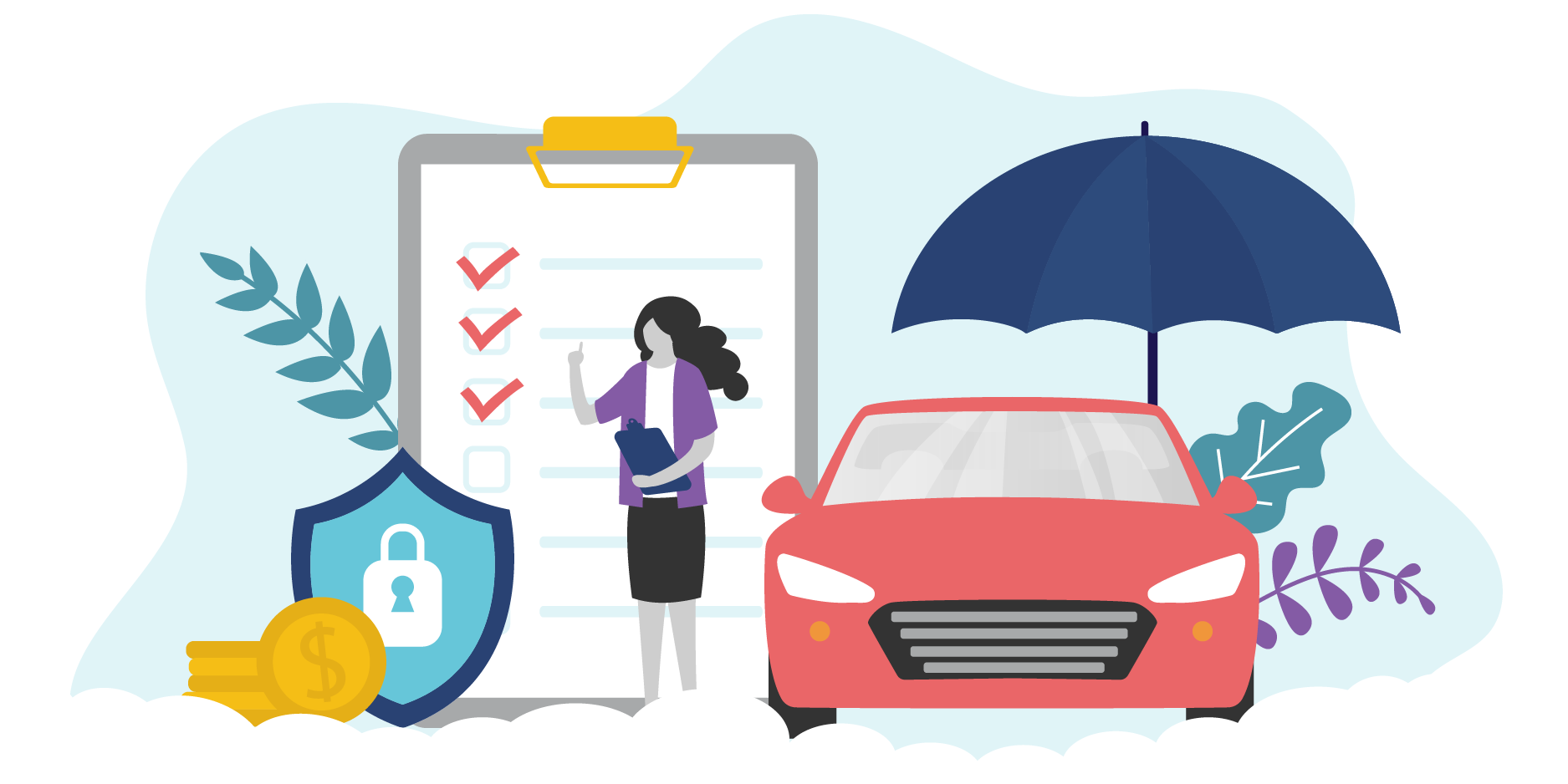
Whether you’re hitting the road for the first time, buying a new vehicle, or reviewing your current policy, Auto Insurance is more than just another legal requirement—it’s a crucial safety net, there to safeguard everyone on the road in the event of the unexpected. But coverage isn’t one-size-fits-all, and the right policy can make all the difference in protecting your finances, your passengers, and your peace of mind.
With different coverage requirements, optional add-ons, and provincial rules to consider, it can be tricky to know where to start. Understanding the basics makes it easier to know what to buy, saving you time, money, and unnecessary guesswork when it comes time to choose or update your policy.
In this guide, we’ll walk you through what Auto Insurance is, break down coverage and premium details, and explain how to choose a policy that meets your needs so you can drive with confidence.
What types of Auto Insurance are Mandatory in Canada?
Auto Insurance is a must-have in Canada. Every driver is required by law to carry at least the minimum coverage, helping ensure that if an accident happens, you’re not left covering injuries, damages, or legal costs on your own.
While the exact requirements vary by province, mandatory coverage generally includes:
- Third-Party Liability: Covers injury or property damage you may cause to others in an accident. This also protects you from legal costs if you’re sued.
- Accident Benefits: Provides medical, rehabilitation, and income replacement support if you or your passengers are injured, regardless of who caused the accident. Ontario drivers should note that starting July 1, 2026, Auto Insurance reforms are coming to give drivers more choice and flexibility. Medical and rehabilitation benefits will remain mandatory, while other accident benefits (such as income replacement) will become optional. Learn more from the Financial Services Regulatory Authority of Ontario (FSRA).
- Uninsured Automobile Coverage: Protects you if you’re involved in an accident with a driver who has no insurance, or in a hit-and-run situation.
- Direct Compensation Property Damage (DCPD): Available in provinces with a fault-based system (AB, ON, QC, NS, NB, NFL, and PEI), DCPD covers damage to your vehicle when another driver is at fault, allowing you to claim directly through your own insurer. As of 2024, this coverage can be opted out of in Ontario and Alberta—although we wouldn’t recommend forgoing it. Without DCPD, you may have to pursue the at-fault driver’s insurer directly, which can be time-consuming, complicated, and potentially leave you paying out-of-pocket for repairs.
RELATED: 9 Auto Insurance Red Flags You Can’t Afford to Ignore
What Optional Auto Insurance Coverages Should I Consider?
Think mandatory coverage is enough? Not always. From repair costs to theft to severe weather, going beyond the basics with add-ons means fewer surprises—and fewer out-of-pocket expenses—if the unexpected happens.
Common optional Auto Insurance coverages include:
- Collision Coverage: Helps pay for damage to your vehicle if you’re involved in an accident with another vehicle or object, regardless of fault.
- Comprehensive Coverage: Covers non-collision-related losses such as theft, vandalism, fire, falling objects, and weather-related damage like hail or flooding. Curious about the types of situations where Collision and Comprehensive coverage can help protect you? Explore the details in our blog: Collision vs. Comprehensive Insurance: What’s the Difference?
- All Perils Coverage: Combines collision and comprehensive coverage into one option, while also covering certain risks that may be excluded under other policies, such as the unauthorized use of your vehicle or theft within your household.
- Loss of Use / Rental Coverage: Helps cover transportation costs if your vehicle is being repaired after a covered claim.
- Optional Endorsements: Additional add-ons that allow you to customize your policy, such as increased limits or specialized protection based on your vehicle or driving needs.
Optional coverage allows you to tailor your policy to your specific needs, providing added confidence every time you get behind the wheel.
RELATED: Understanding Auto Accidents: What Qualifies and What to Do Next
How Can I Find The Right Auto Insurance Policy?
Finding your ideal Auto Insurance policy is about more than just meeting legal requirements—it’s about choosing coverage that fits your vehicle, lifestyle, and financial comfort level. Here are a few steps to help guide your decision:
- Assess your needs: Consider the value of your vehicle, how often you drive, and your tolerance for risk. This will help you decide which optional coverages and limits make sense.
- Compare coverage options: Different insurers offer varying policies, endorsements, and pricing. Take the time to look at what’s included and what’s not.
- Review your budget: Balance your desired level of protection with what you can comfortably afford. Adjusting coverage limits or deductibles may lower your premiums, but don’t settle for cheaper coverage that leaves you underprotected in the event of an accident.
- Update your policy regularly: Life changes—like moving, buying a new vehicle, or adding a driver—can affect your coverage needs. Regularly reviewing your policy ensures you stay properly protected.
By doing your research and shopping around, you’ll be on your way to finding a policy that protects both your vehicle and your finances, without paying for coverage you don’t need. Need more tips on finding coverage that fits? Check out our blog: Find Your Perfect Match: Our Guide to Comparing Insurance Quotes to learn how to compare options, understand quotes, and choose the policy that’s right for you.
RELATED: Your Home & Auto Insurance Costs Could Be Lower—Here’s the Secret!
Why Work with a Broker like PROLINK?
Choosing the right Auto Insurance can feel overwhelming, with so many insurance companies and coverage options out there, and so little time to peruse them all. That’s where a broker like PROLINK comes in to take the burden off your plate—we do the heavy lifting, so you don’t have to.
Here’s how we make your insurance experience easier:
- Independent advice: We work with a network of 30+ insurers, so you’ll get unbiased guidance and access to a wide range of options. Unlike many brokers who are affiliated with a single insurance company, we aren’t tied to any one provider—meaning our recommendations are always made in your best interest.
- Tailored coverage: We help match your policy to your unique needs, whether you’re a first-time driver, own a new vehicle, or want specialized protection.
- Ongoing support: From comparing quotes to renewing your policy and assisting with claims, we’re with you every step of the way. Want to know more? Read real claims stories from our clients: Filing a Home or Auto Insurance Claim? Here’s Why a Broker is Your Best Ally
- Potential savings: We help identify discounts and competitive rates, including exclusive group rates if you’re a member of a qualifying association or affinity group.
RELATED: 5 Advantages of Using an Independent Insurance Broker
We hope this guide has helped you better understand Auto Insurance and feel more confident about your coverage choices. If you still have questions or want personalized guidance, PROLINK is here to help!
With over 40 years of experience and a broad network of insurance providers, we’re more than just a broker—we’re your trusted partner, managing your coverage, shopping the market on your behalf, and ensuring you get the right protection from the right insurer at the right price. Connect with us today to learn more!
Related Posts:



PROLINK’s blog posts are general in nature. They do not take into account your personal objectives or financial situation and are not a substitute for professional advice. The specific terms of your policy will always apply. We bear no responsibility for the accuracy, legality, or timeliness of any external content.