Your Neighbour’s Tree Fell on Your Property… Now What?
March 25, 2026
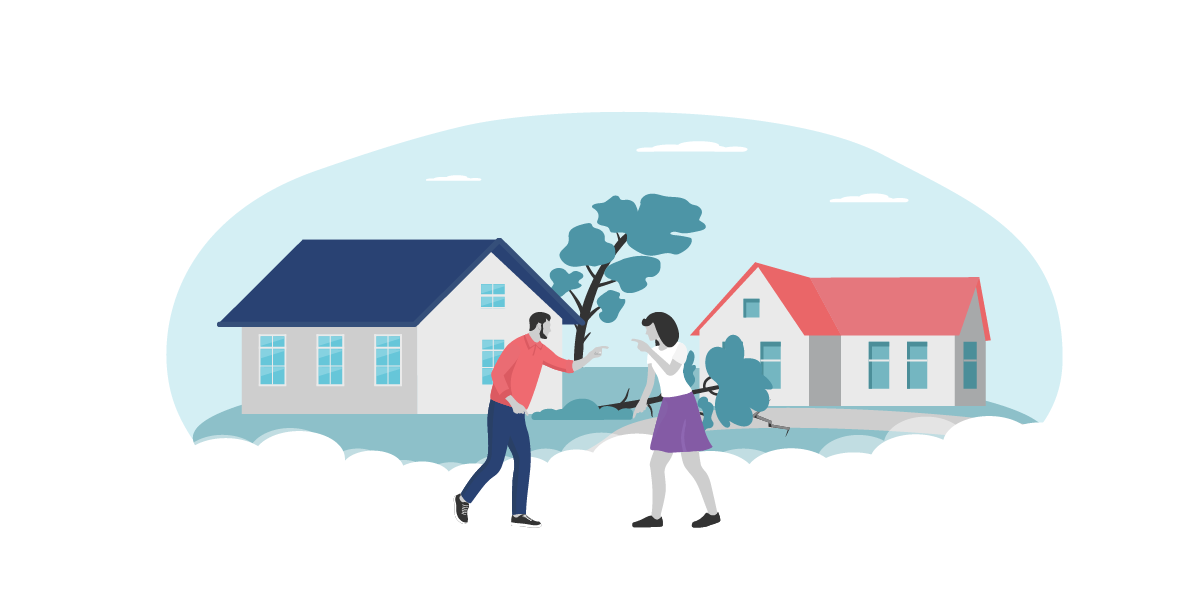
A storm rolls through overnight. The wind is loud, the rain relentless. By morning, everything seems calm again. Until you step outside.
A massive tree from your neighbour’s yard is now lying across your driveway. Your fence is crushed. Maybe part of your roof took a hit. And suddenly one question pops into your mind: Who’s responsible for this? You? Or your neighbour?
While a fallen tree is a common example, situations like this can take many forms, from a collapsed fence to water crossing property lines or damage during a home project. These incidents are more common than many homeowners expect, and they can quickly become frustrating when responsibility isn’t clear.
The good news is that Home Insurance can help handle these situations. In many cases, responsibility is handled differently than homeowners expect, which can influence what happens next. Here’s what usually happens when and what to do next.
The Quick Answer: Who Pays When a Neighbour’s Tree Falls?
Before diving into details, here’s the key takeaway: in many cases, your own Home Insurance policy covers the damage to your property—even if the tree came from your neighbour’s yard.
This is because most policies cover sudden and accidental damage, including storm-related incidents, regardless of where the damage originated.
However, there are important exceptions that can change who is responsible.
When You’re Responsible
Many property damage incidents result from severe weather. High winds, heavy rain, ice buildup, or lightning can all cause even healthy trees to fall. When this happens, insurance companies typically treat the event as a weather-related accident.
In these situations:
- Your home insurance usually covers damage to your home and other insured structures.
- The claim is processed under your policy.
- Your neighbour is typically not considered responsible.
It may not feel intuitive, but storms are considered unpredictable events, and insurance policies are designed to help homeowners recover from them.
When Your Neighbour Could Be Responsible
There are situations where the responsibility can shift. If the tree was clearly dead, diseased, or dangerously unstable, and your neighbour knew about the risk but failed to address it, the situation may be considered negligence.
This same idea can apply more broadly. If a neighbour is aware of a risk on their property and does nothing to fix it, and that issue causes damage, liability may come into play.
Examples might include:
- A structure, feature, or object that is visibly damaged, unstable, or deteriorating.
- Something on the property that is leaning, shifting, or at risk of falling or collapsing.
- Ongoing issues that have been previously raised, reported, or ignored.
In cases like this, your insurance company may still handle your claim first and then attempt to recover costs from your neighbour’s insurer through a process called subrogation.
What You Should Do Immediately After Damage Happens
If your property is damaged by something coming from a neighbour’s property, the steps you take next can make the situation much easier to manage.
1. Talk to Your Insurance Broker
Before making any major decisions or arranging repairs, reach out to your insurance broker. Your broker can review your policy, explain what coverage may apply, and help you understand the best next steps.
If the brokerage has an in-house claims advisor, even better. That means you have someone experienced guiding you through the process from the start. Instead of trying to figure everything out on your own, you have a professional who can help you navigate the situation, communicate with the insurer if needed, and make sure the claim moves forward smoothly.
In situations like this, having someone in your corner can make the entire process much less stressful.
2. Document the Damage
Once it is safe to do so, take photos and videos of the damage.
Capture:
- The fallen tree or object
- The affected structures
- The surrounding area
This documentation helps establish what happened and can support your insurance claim.
3. Prevent Further Damage
Homeowners are usually expected to take reasonable steps to prevent additional damage.
For example, you might place a tarp over a damaged roof or move belongings away from the affected area. Temporary protective measures can help minimize losses while waiting for repairs.
4. Contact Your Insurance Provider
Once the situation is documented, contacting your insurer is usually the next step. They can review your policy, explain what coverage may apply, and guide you through the claims process. If necessary, they may arrange inspections, recommend contractors, or coordinate repairs.
5. Speak With Your Neighbour
While it may feel awkward, a calm conversation with your neighbour can help prevent misunderstandings.
In many cases, once the claim process begins, the insurance companies handle the investigation and liability discussions. Keeping communication respectful helps maintain a good neighbourly relationship while the situation is resolved.
The Bottom Line
Whether it’s a fallen tree, a damaged fence, water crossing property lines, or accidental damage from a neighbour’s project, unexpected damage to your home can feel overwhelming. The good news is that these situations are more common than many homeowners realize, and they don’t always lead to complicated disputes.
Knowing what steps to take and who to call can make all the difference.
Working with an experienced insurance broker can help make the process easier. For more than 40 years, PROLINK has helped Canadians protect their homes and better understand their insurance coverage when unexpected situations arise.
Our team also has an in-house claims advisor who can guide clients through the claims process from the first notice of loss to the final resolution. Having that support can make a difficult situation far more manageable, helping ensure questions are answered, conversations with insurers stay on track, and the next steps are clear.
Because when the unexpected happens, it helps to know someone experienced is already in your corner—ready to help you put the pieces back together.
Related Posts:



PROLINK’s blog posts are general in nature. They do not take into account your personal objectives or financial situation and are not a substitute for professional advice. The specific terms of your policy will always apply. We bear no responsibility for the accuracy, legality, or timeliness of any external content.